A Comprehensive Strategy for Success
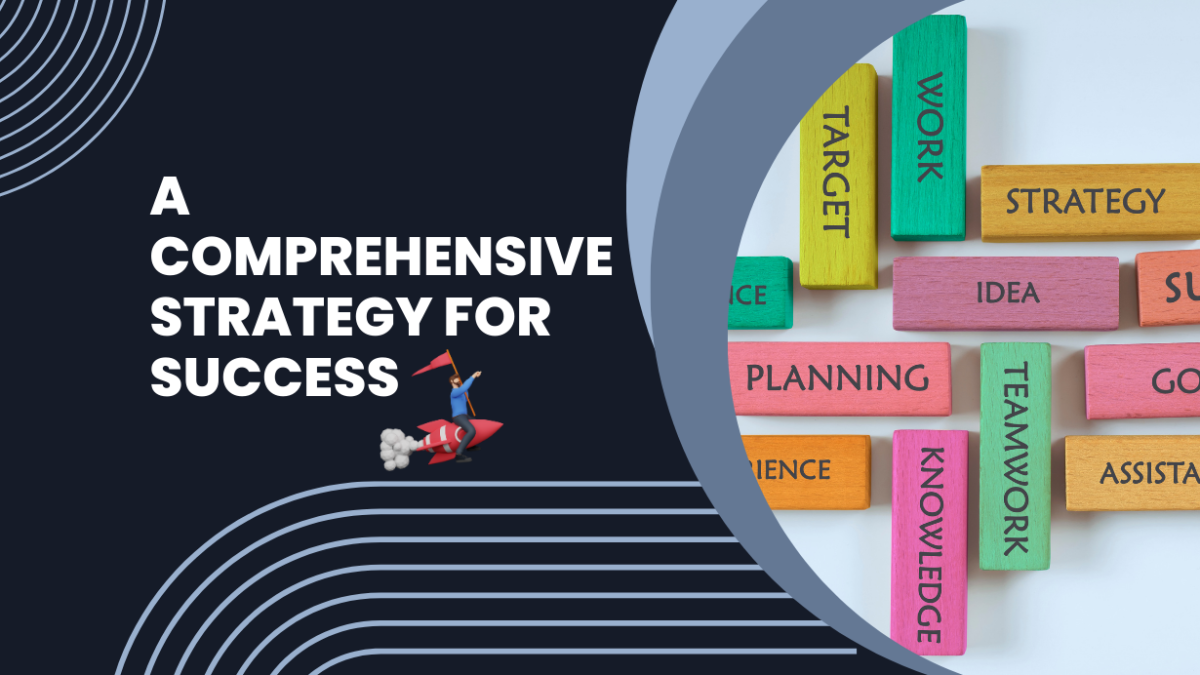
In today’s digital age, having a robust digital marketing strategy is crucial for businesses looking to thrive online. A well-crafted digital marketing plan can help you reach your target audience, drive traffic, generate leads, and ultimately, increase sales. This article outlines a comprehensive digital marketing strategy designed to help businesses achieve their online marketing goals.
1. Define Your Digital Marketing Goals
The first step in creating a digital marketing strategy is to define clear, measurable goals. These goals should align with your overall business objectives and could include:
- Increasing brand awareness
- Driving website traffic
- Generating leads and conversions
- Enhancing customer engagement
- Improving search engine rankings
2. Understand Your Target Audience
To effectively reach and engage your audience, you need to understand who they are. Develop detailed buyer personas that include demographic information, interests, behaviors, and pain points. This will help you tailor your marketing efforts to meet their needs and preferences.
3. Conduct a Competitive Analysis
Analyze your competitors to understand their strengths, weaknesses, and strategies. Identify the keywords they are targeting, the content they are producing, and the platforms they are using. This information will help you identify opportunities and gaps in the market that you can capitalize on.
4. Develop a Multi-Channel Approach
A successful digital marketing strategy leverages multiple channels to reach the audience. Consider the following components:
a. Search Engine Optimization (SEO)
SEO is crucial for driving organic traffic to your website. Conduct keyword research to identify relevant terms your audience is searching for. Optimize your website content, meta descriptions, and headers to improve your search engine rankings. Additionally, focus on building high-quality backlinks and improving your site’s user experience.
b. Content Marketing
Create high-quality, valuable content that addresses your audience’s needs and interests. This can include blog posts, articles, videos, infographics, and eBooks. A well-executed content marketing strategy can position your business as a thought leader and drive organic traffic to your site.
c. Social Media Marketing
Social media platforms are powerful tools for reaching and engaging your audience. Develop a social media strategy that includes regular posting, engagement with followers, and paid advertising. Tailor your content to each platform to maximize its impact.
d. Email Marketing
Email marketing remains one of the most effective ways to nurture leads and maintain customer relationships. Develop a targeted email marketing campaign that includes personalized content, promotional offers, and valuable insights. Use automation tools to streamline your email marketing efforts.
e. Pay-Per-Click (PPC) Advertising
PPC advertising can quickly drive targeted traffic to your website. Platforms like Google Ads and social media ads allow you to target specific demographics and keywords. Develop compelling ad copy and use A/B testing to optimize your campaigns for better performance.
f. Influencer Marketing
Partnering with influencers can help you reach a broader audience and build credibility. Identify influencers in your industry and collaborate with them to promote your products or services. Ensure that their audience aligns with your target market for maximum impact.
5. Utilize Data Analytics
Data analytics is essential for measuring the success of your digital marketing efforts. Use tools like Google Analytics, social media insights, and email marketing analytics to track key metrics such as website traffic, conversion rates, engagement, and ROI. Regularly review this data to identify trends and make data-driven decisions.
6. Optimize for Mobile
With the increasing use of mobile devices, it’s crucial to ensure your digital marketing efforts are mobile-friendly. Optimize your website for mobile users, create mobile-responsive email campaigns, and consider mobile-specific advertising options. This will improve user experience and increase engagement.
7. Implement Marketing Automation
Marketing automation tools can help streamline your digital marketing efforts and improve efficiency. Automate repetitive tasks such as email marketing, social media posting, and lead nurturing. This will free up time for more strategic activities and ensure consistent communication with your audience.
8. Test and Refine Your Strategy
Digital marketing is an ongoing process that requires continuous testing and refinement. Regularly test different elements of your campaigns, such as ad copy, headlines, and call-to-action buttons. Use A/B testing to identify what works best and make adjustments accordingly.