What is Twitter and How to Use It in Digital Marketing
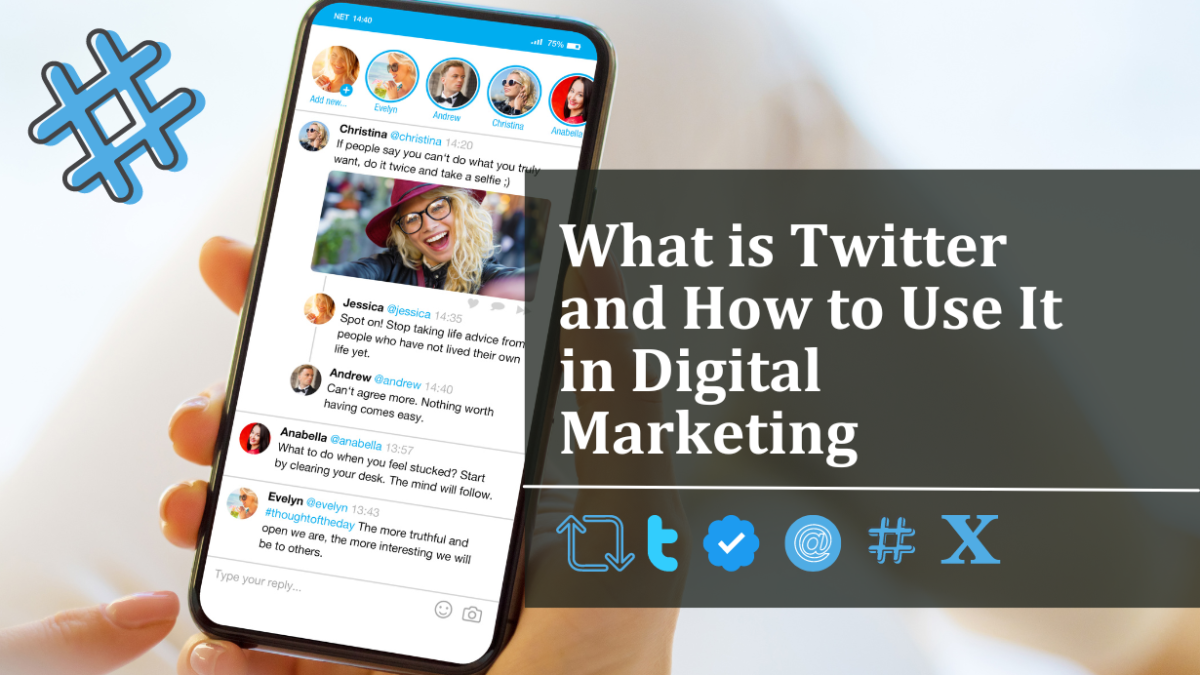
Twitter, launched in 2006, is a social media platform where users post and interact with messages known as “tweets.” These short, 280-character messages allow for quick and concise communication, making Twitter a dynamic and fast-paced environment. With millions of active users worldwide, Twitter has evolved into a powerful tool for digital marketing, enabling brands to connect with their audience, promote products, and drive engagement in real time.
Understanding Twitter
Key Features:
- Tweets: Short messages up to 280 characters, including text, images, videos, and links.
- Retweets: Sharing someone else’s tweet to your followers.
- Likes: Showing appreciation for a tweet.
- Replies: Engaging in conversations by responding to tweets.
- Hashtags: Keywords or phrases preceded by the “#” symbol to categorize tweets and make them searchable.
- Trends: Popular topics or hashtags that are currently being discussed widely.
User Demographics: Twitter attracts a diverse user base, including individuals, celebrities, businesses, and organizations. The platform is particularly popular among younger demographics and urban users, making it a valuable channel for reaching tech-savvy and engaged audiences.
How to Use Twitter in Digital Marketing
- Create a Strong Profile:
- Username and Handle: Choose a recognizable username and handle that aligns with your brand.
- Profile Picture and Banner: Use high-quality images that reflect your brand identity.
- Bio: Craft a compelling bio that clearly describes your business and includes relevant keywords.
- Website Link: Add a link to your website or a specific landing page.
- Build and Engage Your Audience:
- Follow Relevant Accounts: Start by following industry leaders, influencers, and potential customers.
- Tweet Regularly: Maintain an active presence by tweeting regularly about relevant topics, industry news, and your brand’s updates.
- Engage with Followers: Respond to mentions, comments, and messages to build relationships and foster a sense of community.
- Utilize Hashtags and Trends:
- Relevant Hashtags: Use industry-specific hashtags to increase the visibility of your tweets.
- Participate in Trends: Engage in trending conversations and use trending hashtags to reach a broader audience.
- Content Strategy:
- Mix of Content: Share a variety of content, including blog posts, infographics, videos, and user-generated content.
- Promotions and Offers: Announce special deals, promotions, and events to drive traffic and sales.
- Polls and Questions: Use Twitter’s poll feature to engage your audience and gather insights.
- Advertising on Twitter:
- Promoted Tweets: Pay to have your tweets reach a larger audience.
- Promoted Accounts: Increase your follower count by promoting your account to users who don’t yet follow you.
- Promoted Trends: Sponsor a trending topic to gain massive exposure.
- Monitor and Analyze Performance:
- Twitter Analytics: Use Twitter’s built-in analytics to track the performance of your tweets, measure engagement, and understand your audience.
- Third-Party Tools: Consider using tools like Hootsuite, Buffer, or Sprout Social for more detailed analytics and scheduling.
- Crisis Management:
- Monitor Mentions: Keep an eye on mentions of your brand to quickly address any negative feedback or issues.
- Transparent Communication: Be honest and transparent in your communications to maintain trust and credibility.
Benefits of Using Twitter for Digital Marketing
- Real-Time Engagement: Interact with your audience in real time, responding to queries and participating in trending conversations.
- Brand Awareness: Increase visibility and awareness by consistently sharing valuable and relevant content.
- Customer Insights: Gain insights into customer preferences and feedback through direct interactions and Twitter Analytics.
- Lead Generation: Drive traffic to your website and generate leads through targeted campaigns and promotional tweets.
- Networking Opportunities: Connect with industry leaders, influencers, and potential partners to expand your network.